
Think about some of the most recognizable brands in the world. Before you even read their name, chances are you recognize their colors, logo, typography, or overall design. Their visual identity is so consistent that it instantly reminds you who they are and what they represent.
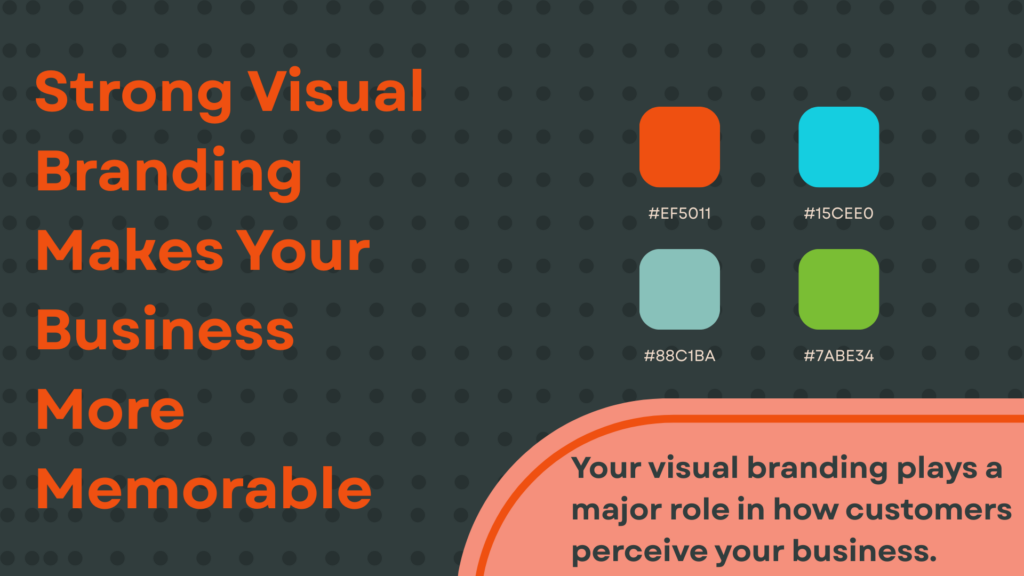
While large corporations spend millions building recognizable brands, the same principles apply to businesses of every size. Whether you’re a local restaurant, a law firm, a retail store, or a service provider, your visual branding plays a major role in how customers perceive your business.
Many people think branding begins and ends with a logo. While a logo is certainly important, it’s only one piece of a much larger picture. Your visual brand includes your colors, fonts, photography, graphics, marketing materials, website, social media presence, and even the way information is presented to your customers.
Together, these elements create an overall impression that can influence whether someone remembers your business—or forgets it.
People naturally make judgments based on appearance. Long before someone experiences your products or services, they’re already forming opinions based on what they see. A clean, professional, and polished visual identity immediately communicates credibility, while inconsistent or outdated materials can unintentionally create doubt.
This doesn’t mean every business needs an elaborate brand guide or a complete redesign. It simply means every visual element should work together to present a clear and professional image.
Consistency is what makes branding memorable.
Imagine visiting a company’s website that uses blue and gray colors with a modern design. Then you visit their Facebook page and find bright red graphics with different fonts and a completely different logo. Later, you receive a brochure that looks nothing like either of those.
Even if each piece looks nice individually, the overall experience feels disconnected.
Customers may not consciously notice these inconsistencies, but they often recognize that something doesn’t quite feel cohesive. Strong visual branding creates familiarity by ensuring every interaction feels like it comes from the same business.
Color is one of the most powerful tools in visual branding.
Different colors naturally evoke different emotions and perceptions. Blue is often associated with trust and professionalism. Green is commonly linked to growth, health, and nature. Red creates energy and excitement, while black often communicates sophistication and luxury.
While there are no universal rules for choosing brand colors, selecting a color palette that reflects your business personality helps create a stronger emotional connection with your audience.
Just as important as the colors themselves is using them consistently.
When customers repeatedly see the same colors across your website, advertisements, social media, and printed materials, they begin associating those colors with your business.
Typography also plays a bigger role than many people realize.
Fonts communicate personality just as much as words do. Modern fonts often create a clean, contemporary appearance, while traditional fonts may communicate professionalism and reliability.
Using too many different fonts throughout your marketing can create visual clutter and make your materials appear unorganized. Choosing one or two complementary fonts and using them consistently creates a cleaner, more recognizable brand.
Photography is another essential component of visual branding.
Authentic, high-quality images help customers connect with your business on a personal level. Whether you’re showcasing your team, products, completed projects, or workspace, professional photography reinforces the quality of your brand.
Using consistent photography styles also helps strengthen recognition. Bright, well-lit images with a similar editing style create a polished appearance across every marketing platform.
Graphics and layouts matter as well.
The way information is organized influences how customers experience your brand. Clean layouts, readable text, and thoughtfully designed graphics make information easier to understand while reinforcing professionalism.
Whether someone is viewing a social media graphic, reading a brochure, or browsing your website, good design helps guide their attention toward the information that matters most.
Visual branding also creates trust.
Customers naturally feel more confident doing business with companies that appear organized and professional. A cohesive visual identity suggests that the business pays attention to detail and takes pride in its work.
While visual branding alone won’t guarantee success, it often provides the confidence customers need to take the next step.
Strong branding also makes marketing more efficient.
When businesses have established colors, fonts, photography, and design standards, creating new marketing materials becomes much easier. Instead of starting from scratch every time, every new piece builds upon an existing visual identity.
This consistency saves time while strengthening recognition.
Visual branding becomes especially valuable across multiple marketing channels.
A customer might first see your business on social media, later visit your website, attend a networking event where they receive your business card, and eventually receive a brochure in the mail. Although each interaction happens in a different place, the visual experience should feel familiar.
That familiarity creates confidence.
Another benefit of strong visual branding is differentiation.
In competitive markets, businesses often offer similar products and services. Visual branding becomes one of the easiest ways to stand apart from competitors.
Customers may not always remember every detail about what you offer, but they often remember how your business looked and how it made them feel.
A recognizable visual identity helps ensure you’re the business they think of when they’re ready to make a decision.
Business owners sometimes believe they need to redesign everything at once to improve their branding. In reality, even small improvements can make a noticeable difference.
Updating outdated graphics, refreshing photography, creating more consistent social media templates, or standardizing fonts and colors across marketing materials are all steps that strengthen your visual identity over time.
The goal isn’t perfection.
The goal is creating a professional, recognizable experience that reflects the quality of your business.
As your company grows, your visual branding should evolve with it. Periodically reviewing your marketing materials helps ensure they continue representing your business accurately while staying current with changing customer expectations.
A well-designed visual identity isn’t about following trends. It’s about creating a timeless, professional appearance that customers recognize and trust.
In today’s competitive marketplace, customers are constantly making decisions based on what they see. Businesses that invest in strong visual branding create memorable first impressions, reinforce their professionalism, and build recognition that lasts long after the initial interaction.
At the end of the day, your visual branding tells your story before you ever have the chance to speak.
When every color, photograph, graphic, and marketing piece works together, your business becomes more than just another option—it becomes a brand customers recognize, remember, and feel confident choosing.
