
Not long ago, the customer journey was relatively straightforward. A potential customer might see a newspaper advertisement, hear about a business from a friend, or drive past a storefront and decide to stop in. While word-of-mouth recommendations still matter, the way people research and evaluate businesses has changed dramatically.
Today, customers are more informed than ever before they make a purchasing decision. In many cases, they have already formed an opinion about a business before ever making a phone call, submitting a contact form, or walking through the front door.
Understanding how modern consumers research businesses is essential for companies that want to remain competitive. The businesses that recognize and adapt to this shift are far more likely to earn trust, generate leads, and convert prospects into loyal customers.
The first thing many consumers do when they hear about a business is search for it online. Whether they learned about the company through a recommendation, social media post, advertisement, or community event, their next step is often the same: they open a search engine.
What they find during that search can significantly influence their decision.
A business website often serves as the first impression. Within seconds, visitors begin evaluating professionalism, credibility, and trustworthiness. They look for information about services, contact details, customer testimonials, and evidence that the company understands their needs.
An outdated website, incomplete information, or inconsistent branding can create doubt. On the other hand, a well-maintained website communicates professionalism and reliability.
Online reviews also play a major role in the modern customer journey. Many consumers read reviews before making a decision, even when they receive a personal recommendation. Reviews provide social proof and help potential customers understand what others have experienced.
People want reassurance before making a commitment. Positive reviews can provide that confidence, while a lack of reviews may cause hesitation.
Social media has become another important research tool. Customers frequently visit a company’s social media profiles to learn more about its personality, expertise, and level of activity. They want to see whether the business appears engaged, professional, and responsive.
An active social media presence demonstrates that a business is current and invested in communicating with its audience. It also gives potential customers an opportunity to see examples of work, company culture, and customer interactions.
Content also influences purchasing decisions more than many businesses realize. Blog articles, educational resources, videos, and informative social media posts help establish authority. When a company consistently provides valuable information, it positions itself as a trusted expert rather than simply another option.
Trust is one of the most important factors in modern marketing. Customers have countless choices available to them. They are more likely to choose businesses that demonstrate expertise and provide helpful information throughout the research process.
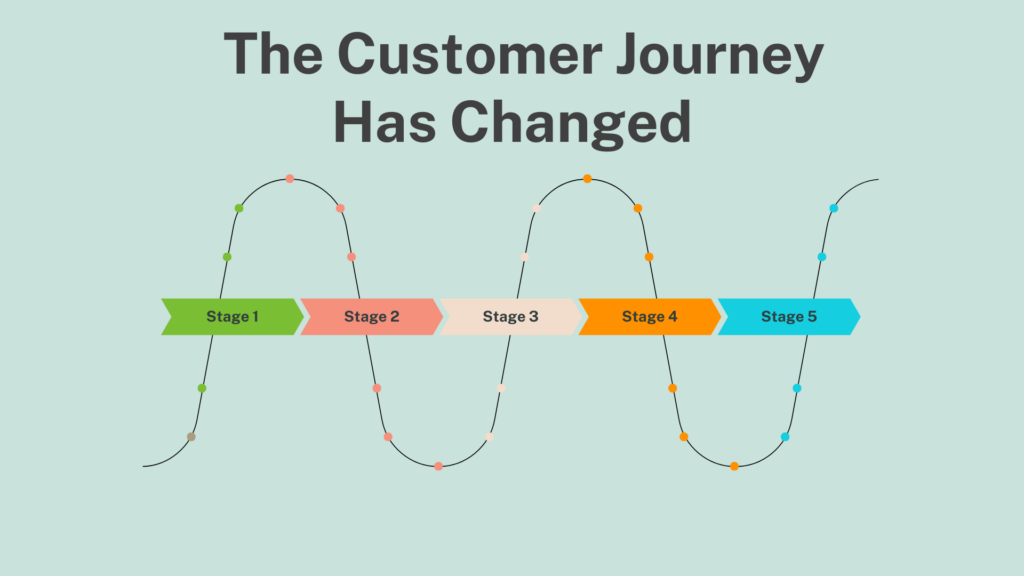
The customer journey is no longer a straight line. Consumers move between websites, reviews, social media platforms, and recommendations before making a decision. Each interaction contributes to their overall perception of a business.
This means consistency matters. The messaging, branding, and information customers encounter should align across every touchpoint. Inconsistencies can create confusion and weaken trust.
Another important change is the amount of time consumers spend researching before they buy. Even when they have an immediate need, many people still compare multiple businesses before making a choice. They evaluate websites, pricing, reviews, and overall reputation.
Businesses that make information easy to find often have an advantage. When customers can quickly understand what a company offers and how to take the next step, they are more likely to engage.
The modern customer journey requires businesses to think beyond traditional marketing. Visibility alone is not enough. Companies must also focus on credibility, trust, and customer experience.
Every digital touchpoint contributes to the decision-making process. A website, social media profile, review platform, and blog all work together to shape perception.
Businesses that understand this shift are better positioned to attract and convert customers. By providing accurate information, maintaining a professional online presence, and consistently delivering value, companies can influence purchasing decisions long before direct contact occurs.
The customer journey may have changed, but the goal remains the same: earning trust. Businesses that make trust a priority will continue to stand out in an increasingly competitive marketplace.
